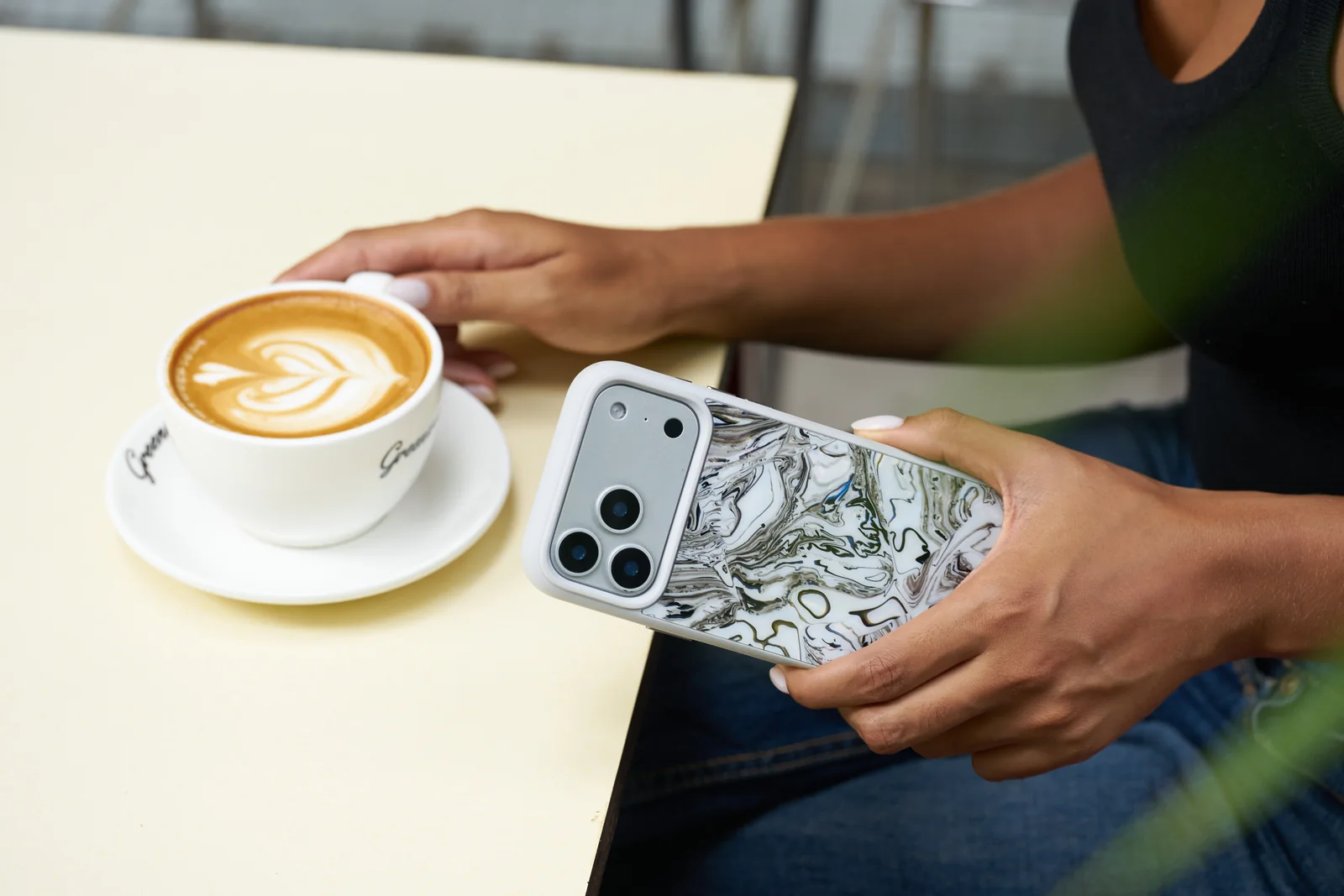
I want a place where we can look closely at iPhone cases: the materials, the way they are made, the people behind them and the small details that matter in use. This notebook is the beginning of that place.
Start with an object
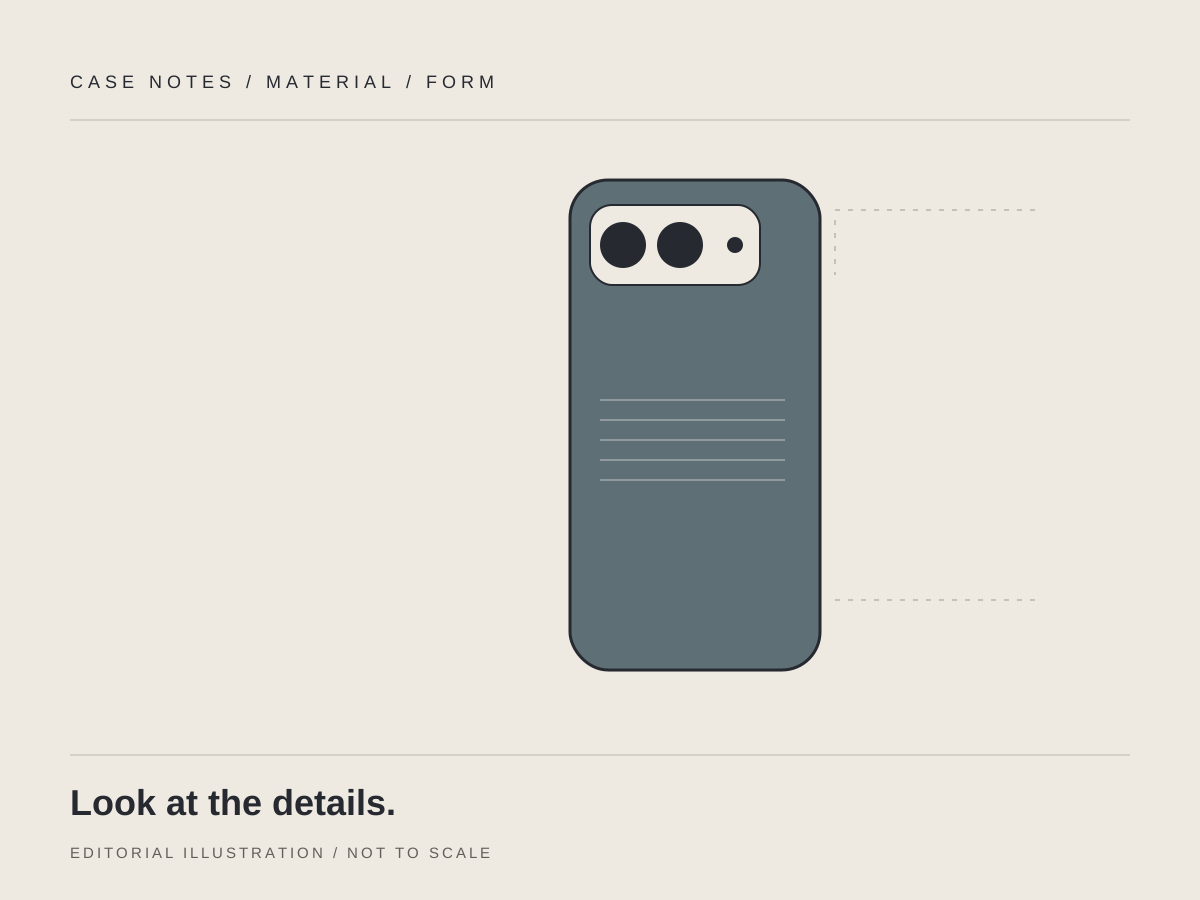
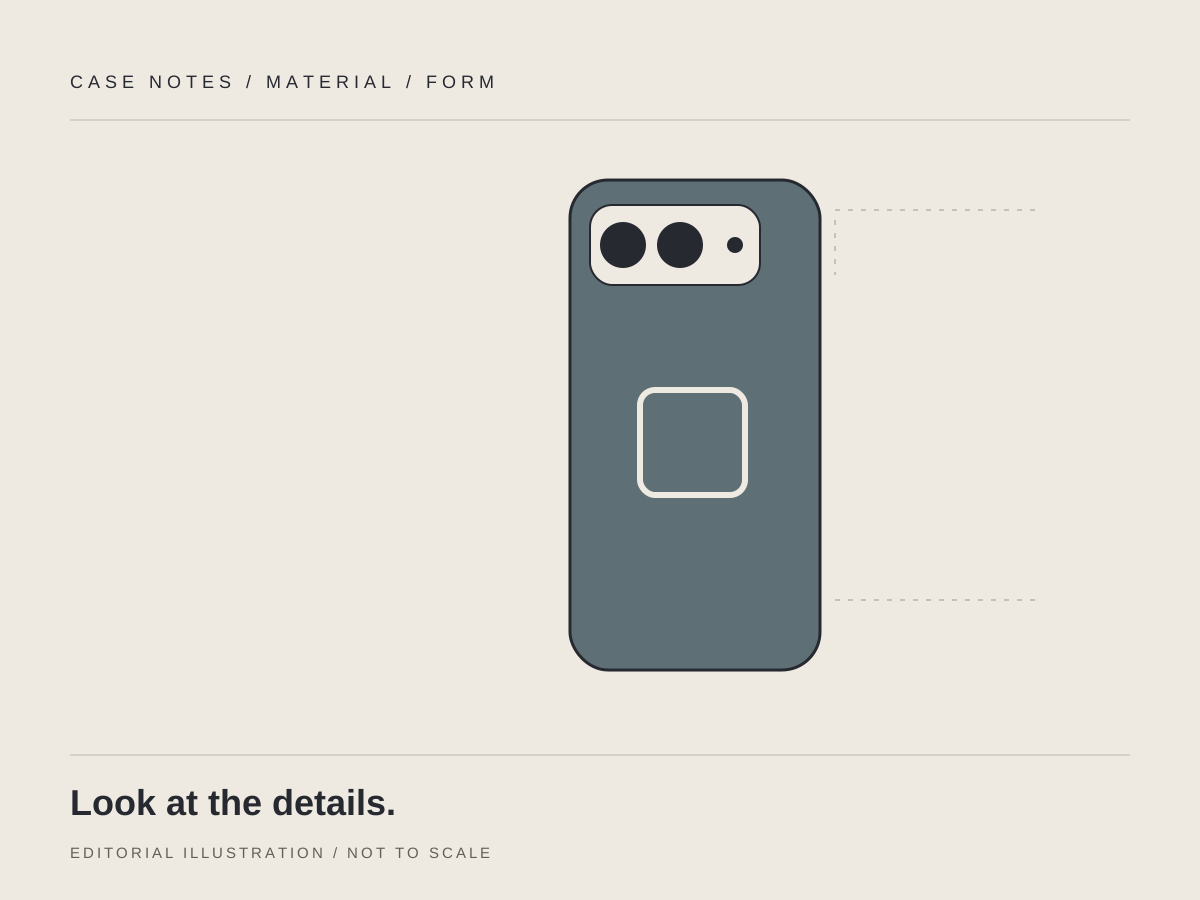
A finished case gives us somewhere concrete to begin. We can look at its surface, edges, controls and camera opening, then follow the questions back to the decisions behind them. A useful story connects the detail to the whole object.
Make room for the people
I want this journal to include the designers and makers, with original photographs and explanations of how things are produced. The personal stories will grow from material we can document, rather than a timeline built from the history of the phone.
The relationship belongs in the open
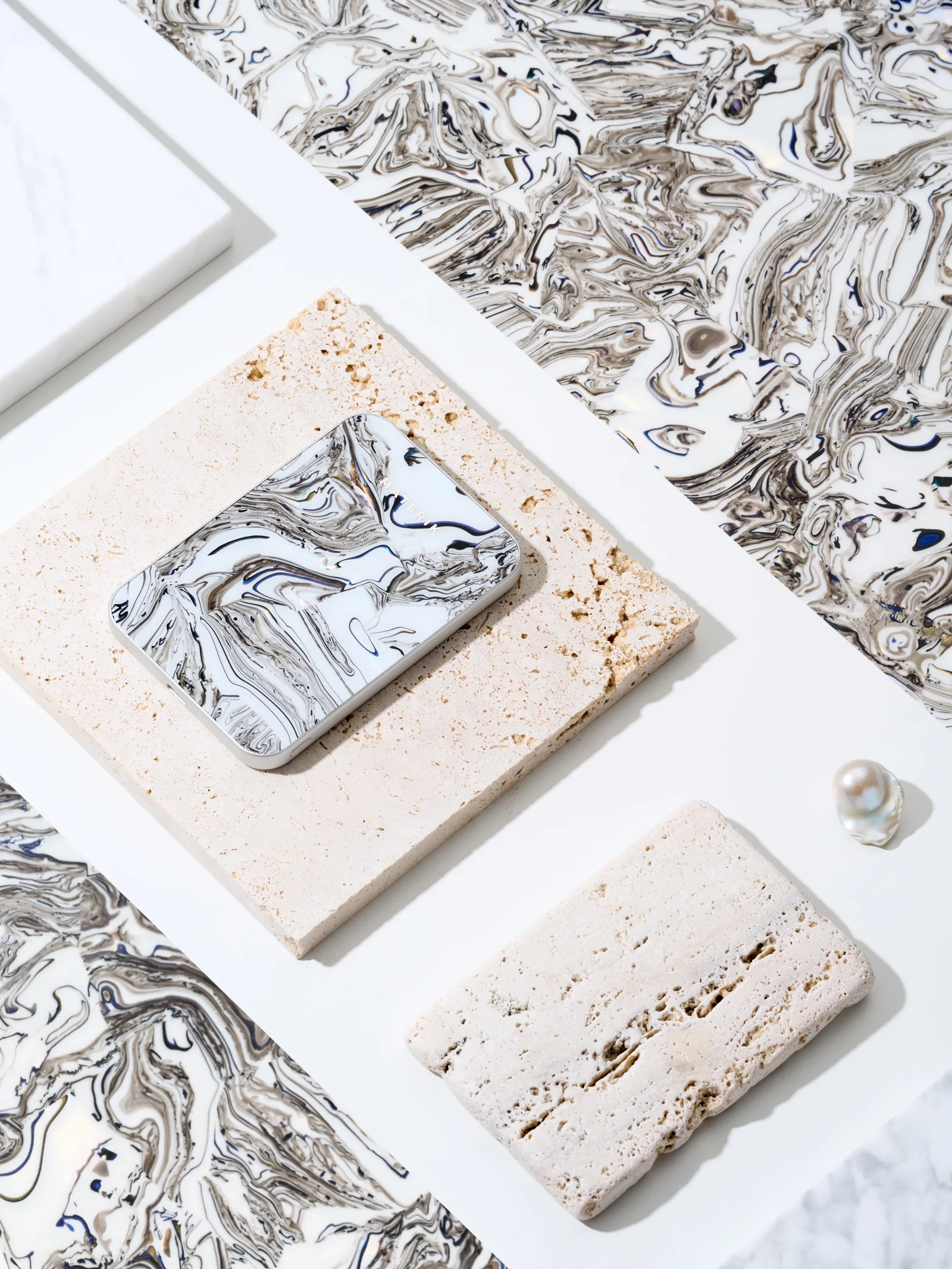
I work with Materik. Readers should know that, and Materik belongs here alongside other brands. Its design has its own story; other makers bring their own materials, ideas and approaches. The journal has room for all of them.
Reference: Materik official site.
Keep a record we can return to
A notebook lets us come back to a sample, a photograph or an earlier question. As we add real use diaries, comparisons and maker stories, each piece should become more useful through the evidence it collects.