A phone case can be an entry point into a group of accessories. Peak Design gives that idea a visible form through its SlimLink system. The interesting design question is how the case, mounting interface and other objects are intended to work together.
Start with the interface
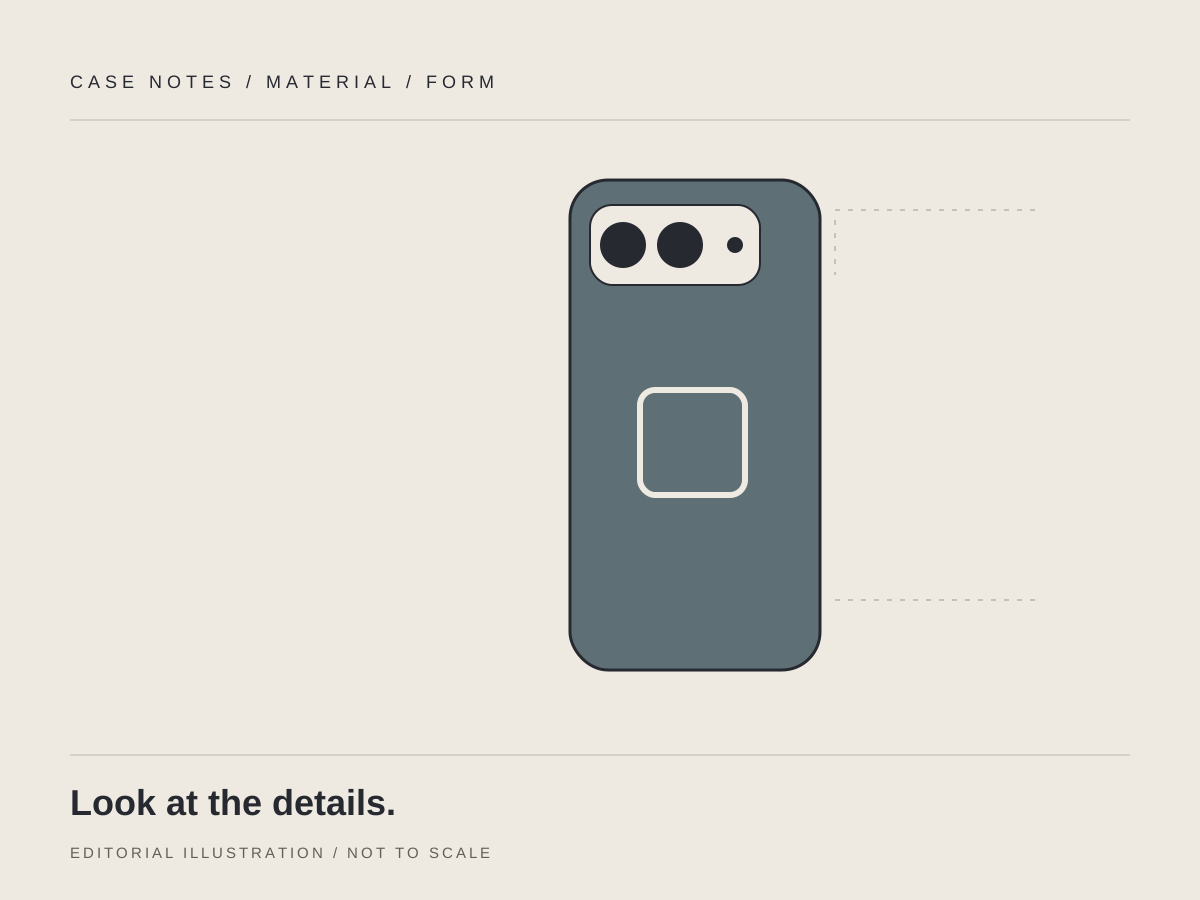
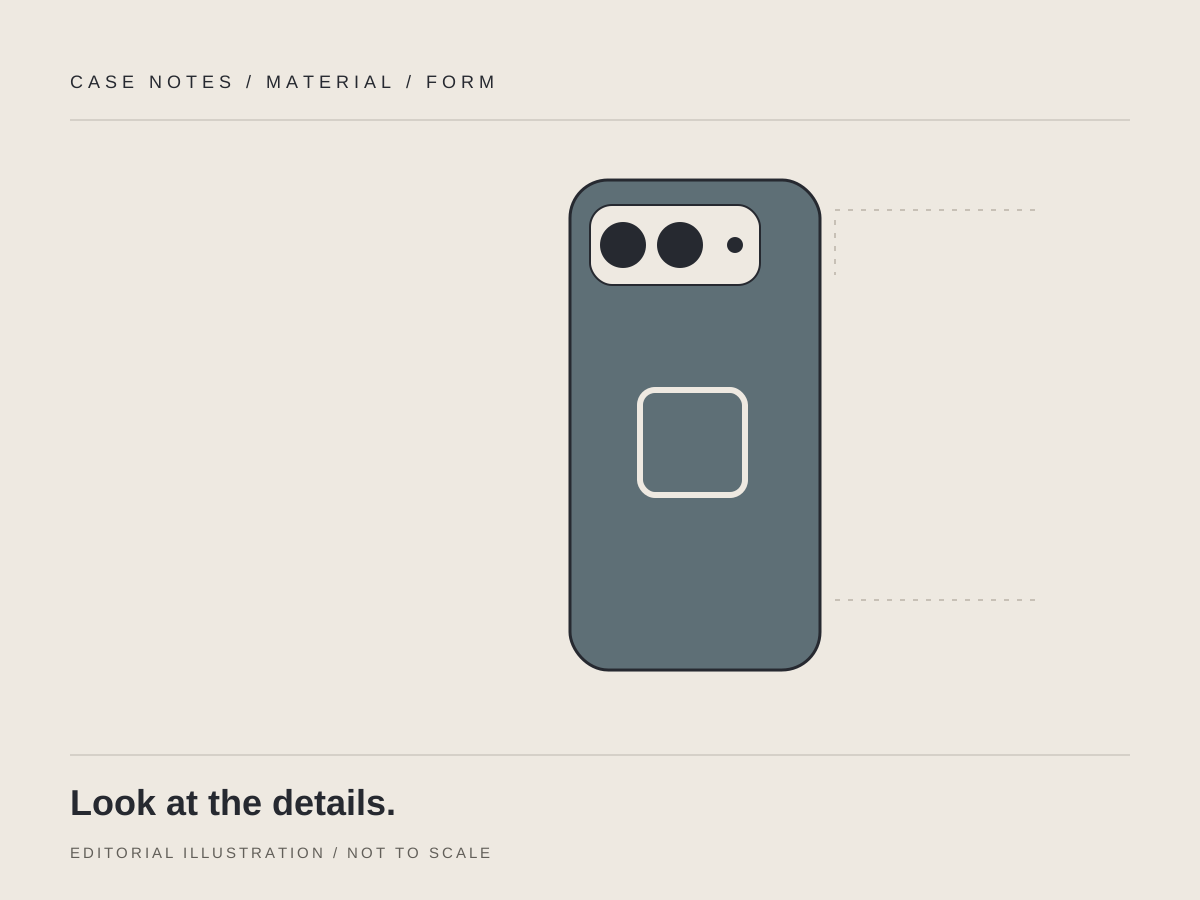
Peak Design describes SlimLink as a magnetic and mechanical mounting system. The opening on the back of a compatible case is part of that design. The catalog is the source for the claim; holding strength or behavior on a particular mount still needs a test of that exact combination.
Reference: Peak Design official case collection.
Product names matter
The current collection distinguishes SlimLink Case for iPhone from Everyday Case for iPhone. It is important to keep the exact product and generation in the record rather than carrying an older family-level assumption into a new model.
Reference: Peak Design official case collection.
Follow the objects around the phone
A useful story can look at how a case connects to the rest of a carry setup, which interactions it supports and where a user needs to change accessories. Photographs can show the intended arrangement; a future use review would document the setup that was actually tried.
Keep a system claim testable
A desk accessory, a charging setup and another mount are different configurations. We would name the case, phone, accessory and conditions in each test. This first profile records a design direction from official sources, not a performance verdict.